
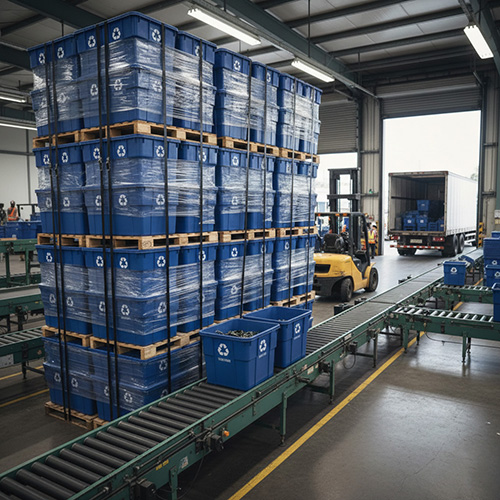
Medical E-Waste Disposal in Kenya: Safe and Compliant Solutions
Medical e-waste disposal in Kenya is becoming increasingly important as hospitals, clinics, laboratories, and pharmacies continue to upgrade their equipment. Medical electronic waste includes outdated diagnostic machines, monitors, X-ray systems, laboratory devices, IT systems, and other electronic tools used in healthcare facilities. When not properly disposed of, these items can release hazardous substances such as mercury, lead, and cadmium into the environment.
Proper medical e-waste disposal in Kenya ensures compliance with environmental regulations set by authorities such as NEMA (National Environment Management Authority). Healthcare facilities have a legal and ethical responsibility to ensure that electronic waste is handled by licensed disposal providers. Failure to comply can result in environmental damage, legal penalties, and reputational harm.
A professional disposal process begins with collection and safe transportation of obsolete equipment. The waste is then assessed for recycling, refurbishment, or safe dismantling. Sensitive components such as data storage devices are securely destroyed to protect patient information and comply with data protection laws.
In addition to regulatory compliance, responsible medical e-waste disposal supports sustainability. Many components, including metals and plastics, can be recovered and reused. This reduces the demand for raw materials and lowers the carbon footprint associated with manufacturing new products.
Healthcare institutions in Kenya are encouraged to partner with certified medical e-waste disposal companies that offer documentation, waste tracking, and environmental reporting. This ensures transparency and accountability throughout the disposal process.
By adopting structured medical e-waste disposal systems, Kenya’s healthcare sector can protect public health, conserve the environment, and promote a circular economy. Proper disposal is not just a regulatory requirement—it is a commitment to safer communities and a cleaner future.